
 Loading…Loading…
You get a model recommendation, a cell layout and an indicative price — not a brochure.
We supply, program and commission industrial robots, custom grippers and conveyor systems — then stay on as your service partner.
We measure the cell before anyone quotes a robot.
Grippers designed and load-checked against your part.
Training, spares and an AMC with a response time.
Robots, tooling and handling from one supplier — specified against your part and cycle time, never off a catalogue page.
Six-degree-of-freedom articulated arms for welding, spraying, assembly and machine tending.
View the range →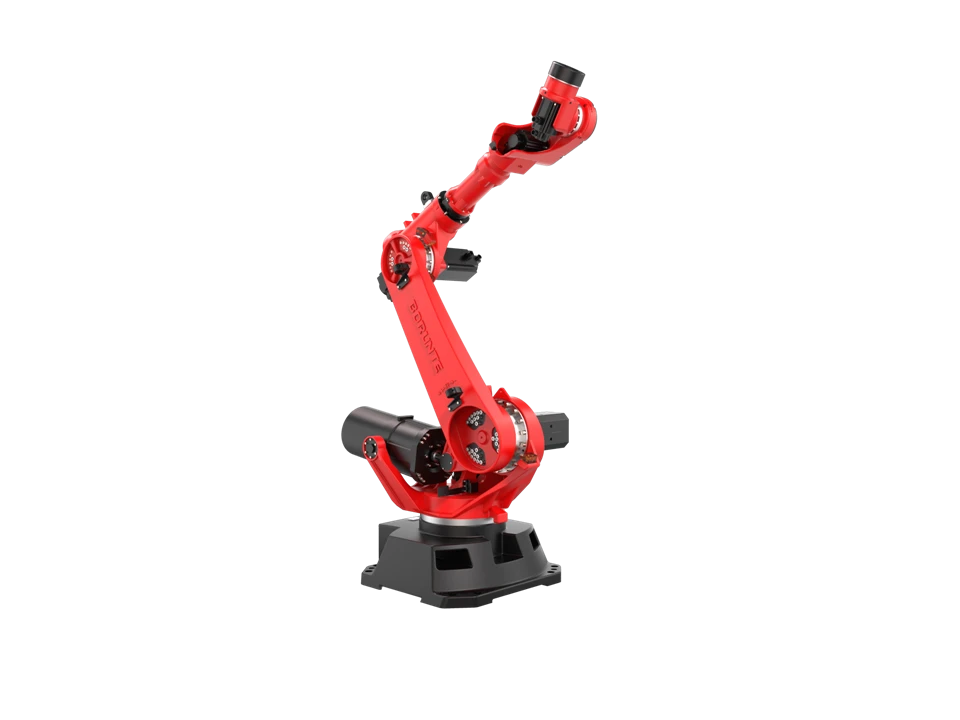
Palletising, stacking and high-speed parallel sorting arms for end-of-line work.
View the range →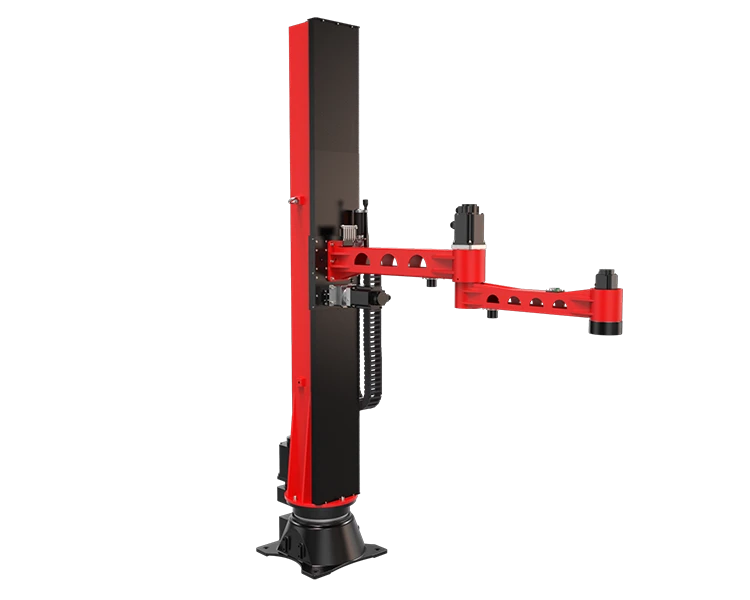
Five-axis parallel arms for assembly and sorting of light, scattered materials.
View the range →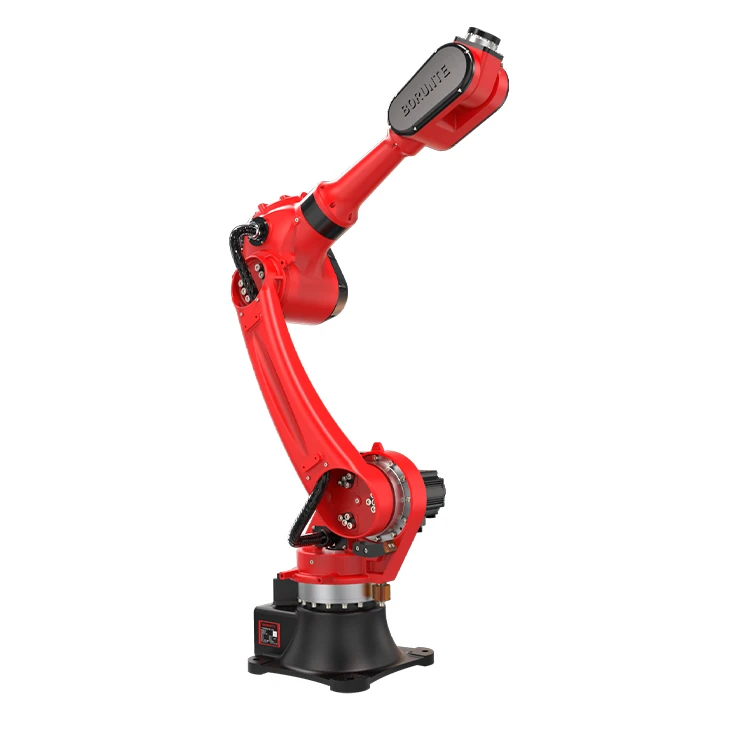
At Alpha Intelligence Automation we are committed to transforming manufacturing through advanced industrial automation. We provide industrial robots, custom robotic grippers, conveyor systems, machine synchronisation and complete automation solutions that help manufacturers increase productivity, improve quality and reduce operational costs.
To become one of India’s most trusted industrial automation companies by delivering innovative robotic solutions that help manufacturers build smarter, safer and more efficient factories.
From the first enquiry to the annual maintenance visit, you always know what happens next.
We measure your line and prove the payback before you commit to a machine.
Layout, robot model, tooling concept and safety scheme, priced as one fixed scope.
Tooling built, cell erected, programs written and the rate proven against acceptance criteria.
Your team runs it. We hold the spares and answer the phone with a response time in writing.
Feasibility and payback before a purchase order exists.
Layout, robot selection, tooling and safety scheme.
Manufactured, installed, programmed and rate-proven.
Training, spares, preventive maintenance and AMC.
Machine design, manufacturing, R&D and factory automation experience sits behind every cell we quote.
The cell arrives, goes in and talks to the rest of the line.
Drawings, tooling and code produced before anything is bought.
Proven application patterns adapted to your part and rate.
What keeps the cell running after commissioning.

Allies Containers manufactures fiber drums for pharmaceutical, chemical, wire and gravure customers from its plant on the Ahmedabad–Dholka highway. Finished drums were stacked by hand at the end of the line, which capped output at the speed of the stackers and caused regular handling damage to the drum walls and rims. A four-axis palletiser on a roller in-feed, with a vacuum and clamp combination tool sized for the full range of drum diameters Allies produces, layer pattern software and interlocked fencing.
J. K. Foundry Engineers has built sand reclamation plants, green sand equipment and complete moulding lines for foundries across India from its works at Kadi in Gujarat since 1995. End-of-line stacking was still done by hand — the heaviest and slowest step on the line, which capped throughput at the pace of the stacking team and carried the handling risk that comes with repeated manual lifting. A robotic palletising cell laid into the existing line footprint rather than a new one: a robot on a roller in-feed, tooling sized for the full range of output the line runs, layer-pattern software for the pallet sizes already in use, and interlocked fencing tied into the line's own safety circuit.
Our finished drums were stacked by hand, so output was capped by how fast the team could stack them. AIA sized the cell against our own drum range rather than a catalogue, and the palletiser now handles every diameter we run without a tooling change.
End-of-line stacking is the heaviest job on the floor and it set the pace for everything upstream of it. AIA specified the cell around our existing layout instead of asking us to rebuild around theirs, and the palletiser has run to pattern since commissioning.
Payload is the number everyone quotes and the one most often got wrong. Here is the order we work in when specifying a tending cell.
Both lift steel plate. They fail in completely different ways, and that is what should decide it.
Most maintenance contracts are priced on visits. What you should be buying is a response time.


